Disclaimer: This content is for educational purposes only, not medical advice. Always consult with a doctor before making significant changes to your diet, especially if you have pre-existing health conditions.
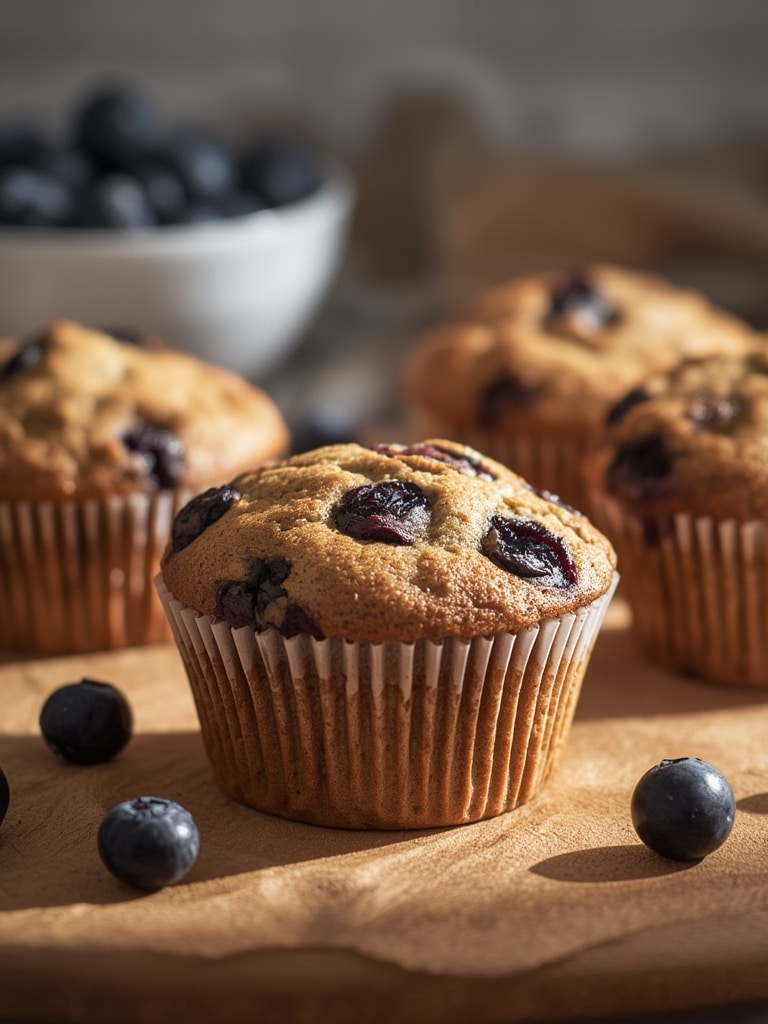
Gluten free blueberry muffins became a regular in my Asheville kitchen after I started cooking for friends who wanted cozy baked treats without wheat. I’m Lucy, the home cook behind urdailyrecipes, and I grew up in a mountain town where food always felt personal. My family made weekend breakfasts feel special, even when we used simple pantry staples.
So, today, I’ll walk you through tender muffins with juicy blueberries, a golden top, and a soft crumb. You won’t need fancy tools. You won’t need hours. Instead, you’ll use smart gluten-free baking basics, real ingredients, and a few small tricks that make a big difference.
Table of Contents
Key Takeaways: What You Need To Know
– Gluten free blueberry muffins taste best with a balanced gluten-free flour blend, fresh or frozen blueberries, and enough moisture.
– Resting the batter helps the flour hydrate and improves the muffin texture.
– A muffin tin, mixing bowls, whisk, and spatula handle the whole recipe.
– Blueberries, vanilla, lemon zest, baking powder, and yogurt create bright flavor and a tender crumb.
– Simple steps matter, especially gentle mixing and proper oven temperature.
Why Do Gluten Free Blueberry Muffins Taste So Comforting?
Gluten free blueberry muffins bring together soft crumb, juicy berries, and a lightly sweet flavor that works for breakfast, brunch, or snacks. Because gluten-free flour behaves differently, you need moisture, structure, and gentle mixing for muffins that taste homemade, balanced, and never dry.
What makes gluten free blueberry muffins special?
Gluten free blueberry muffins feel special because they turn simple ingredients into something warm and inviting. Also, they help new bakers build confidence without complicated pastry techniques.
When I tested these in my small Asheville kitchen, I wanted the kind of muffin you’d eat with coffee on a rainy mountain morning. Therefore, I used a 1:1 gluten-free flour blend, blueberries, Greek yogurt, vanilla extract, and lemon zest for flavor and texture.
The first batch tasted good, but it needed more moisture. So, I added yogurt and a little oil. Then, the muffins turned soft, tender, and bakery-style without feeling heavy.
Why do these muffins fit beginner bakers?
Gluten free blueberry muffins fit beginner bakers because the method stays simple and forgiving. Plus, you only stir, scoop, and bake.
You don’t need a stand mixer. Instead, grab a large bowl, whisk, rubber spatula, measuring cups, and 12-cup muffin tin. Since gluten-free batters can thicken as they rest, the short pause before baking helps the crumb improve.
And honestly, that’s my kitchen motto in action: Simplicity first, creativity always.
What Ingredients Do You Need for Gluten Free Blueberry Muffins?
Gluten free blueberry muffins need a dependable flour blend, leavening, fat, moisture, and sweet blueberries. For best results, use a gluten-free flour blend with xanthan gum, plus yogurt, eggs, oil, sugar, vanilla, lemon zest, and fresh or frozen berries.
Which gluten-free flour works best?
Gluten free blueberry muffins work best with a 1:1 gluten-free all-purpose flour blend that includes xanthan gum. However, you can also use a blend with rice flour, potato starch, and tapioca starch.
Avoid single flours like only almond flour or coconut flour here. They absorb moisture differently. As a result, they can make the muffins dense or crumbly.
| Ingredient | Amount |
|---|---|
| 1:1 gluten-free flour blend | 2 cups |
| Baking powder | 2 teaspoons |
| Fine sea salt | 1/2 teaspoon |
| Granulated sugar | 3/4 cup |
| Eggs | 2 large |
| Plain Greek yogurt | 1/2 cup |
| Neutral oil | 1/3 cup |
| Milk | 1/3 cup |
| Vanilla extract | 2 teaspoons |
| Blueberries | 1 1/2 cups |
Can you use frozen blueberries?
Gluten free blueberry muffins bake beautifully with frozen blueberries. However, don’t thaw them first. Instead, fold them in straight from the freezer.
Fresh blueberries give cleaner pockets of fruit. Meanwhile, frozen blueberries may streak the batter slightly. Still, both options taste delicious. For extra brightness, add 1 teaspoon lemon zest. It lifts the berry flavor and makes the muffins smell like a bakery.
How Do You Make Gluten Free Blueberry Muffins Step by Step?
Gluten Free Blueberry Muffins
Equipment
- 12-cup muffin tin
- Large mixing bowl
- medium mixing bowl
- Whisk
- Rubber spatula
- Measuring cups and spoons
- Wire cooling rack
Ingredients
- 2 cups 1:1 gluten-free all-purpose flour blend with xanthan gum
- 2 tsp baking powder
- 1/2 tsp fine sea salt
- 3/4 cup granulated sugar
- 2 large eggs
- 1/2 cup plain Greek yogurt
- 1/3 cup neutral oil
- 1/3 cup milk
- 2 tsp vanilla extract
- 1 tsp lemon zest
- 1 1/2 cups fresh or frozen blueberries
Instructions
- Preheat the oven to 400°F and line a 12-cup muffin tin with paper liners.
- In a large bowl, whisk together the gluten-free flour blend, baking powder, sea salt, and granulated sugar.
- In a separate bowl, whisk the eggs, Greek yogurt, oil, milk, vanilla extract, and lemon zest until smooth.
- Pour the wet mixture into the dry ingredients and stir gently with a spatula until no dry flour remains.
- Fold in the blueberries carefully to avoid crushing them.
- Let the batter rest for 10 minutes so the gluten-free flour can fully hydrate.
- Scoop the batter evenly into the muffin cups, filling each generously.
- Bake for 18 to 22 minutes, or until the tops are golden and a toothpick inserted in the center comes out clean.
- Cool the muffins in the pan for 10 minutes before transferring them to a wire rack.
Notes
Nutrition
Gluten free blueberry muffins come together quickly when you mix dry ingredients, whisk wet ingredients, combine gently, fold in berries, rest the batter, and bake until golden. This method protects the crumb and helps the muffins rise evenly in the oven.
How should you mix the batter?
Gluten free blueberry muffins need gentle mixing because overworking the batter can make them heavy. First, whisk the flour, baking powder, salt, and sugar in one bowl.
Then, whisk the eggs, Greek yogurt, oil, milk, vanilla, and lemon zest in another bowl. Next, pour the wet mixture into the dry mixture. Stir with a spatula until you see no dry flour.
After that, fold in the blueberries. Finally, let the batter rest for 10 minutes. This small pause helps the gluten-free flour hydrate.
What baking steps give the best rise?
Gluten free blueberry muffins rise best when you start with a hot oven and fill the cups generously. So, preheat your oven to 400°F and line a 12-cup muffin tin with paper liners.
| Step | What To Do |
|---|---|
| 1 | Preheat oven to 400°F and line the muffin tin. |
| 2 | Mix dry ingredients in a large bowl. |
| 3 | Whisk wet ingredients in a separate bowl. |
| 4 | Combine gently, then fold in blueberries. |
| 5 | Rest batter for 10 minutes. |
| 6 | Bake for 18 to 22 minutes. |
The muffins finish when the tops spring back and a toothpick comes out clean. Then, cool them for 10 minutes before serving.
How Can You Keep Gluten Free Blueberry Muffins Moist?
Gluten free blueberry muffins stay moist when you use enough fat, dairy, and fruit, then store them correctly. Because gluten-free baked goods dry faster than wheat-based muffins, yogurt, oil, airtight storage, and gentle reheating help protect their soft texture.
Why does yogurt help the texture?
Gluten free blueberry muffins benefit from yogurt because it adds moisture, tenderness, and mild tang. Also, yogurt supports a softer crumb without making the batter runny.
Oil helps too. Butter tastes rich, but oil keeps muffins softer after cooling. Therefore, I prefer neutral oil, especially canola, avocado, or light olive oil. Meanwhile, blueberries release juice as they bake, which adds natural moisture.
How should you store them?
Gluten free blueberry muffins store best in an airtight container at room temperature for 2 days. After that, move them to the refrigerator or freezer.
– Room temperature: Store for up to 2 days in an airtight container.
– Refrigerator: Store for up to 5 days.
– Freezer: Freeze for up to 2 months.
– Reheating: Warm one muffin for 12 to 15 seconds in the microwave.
For freezing, wrap each muffin tightly. Then, place them in a freezer-safe bag. This method keeps breakfast easy on busy mornings.
What Are the Best Tips for Gluten Free Blueberry Muffins?
Gluten free blueberry muffins turn out better when you measure accurately, avoid overmixing, use the right flour blend, and check your oven temperature. Small choices, like coating berries with flour and resting the batter, improve texture, lift, and flavor.
How do you prevent sinking blueberries?
Gluten free blueberry muffins hold berries better when you toss the blueberries with 1 teaspoon gluten-free flour before folding them in. This light coating helps suspend the berries in the batter.
Also, use thicker batter. If your batter looks too loose, wait the full 10 minutes before baking. The flour will absorb liquid and tighten slightly. Then, scoop it into the muffin cups.
What real-life baking experience helped improve this recipe?
Gluten free blueberry muffins became better after my neighbor, Megan, tested them for her Sunday brunch. She texted me, “These don’t taste gluten-free at all. They’re soft, lemony, and my kids asked for seconds.”
That feedback mattered. So, I tested the recipe again with frozen berries, fresh berries, and two flour blends. Here’s what worked best:
– Best flour: 1:1 gluten-free flour blend with xanthan gum
– Best moisture booster: Plain Greek yogurt
– Best flavor add-in: Fresh lemon zest
– Best berry method: Fold gently and don’t crush
– Best cooling tip: Cool in the pan for 10 minutes, then transfer
As a home cook, I trust recipes more after real kitchens test them. That’s why I keep my instructions practical, clear, and honest.
What Variations Work for Gluten Free Blueberry Muffins?
Gluten free blueberry muffins adapt well to citrus, nuts, oats, and dairy-free swaps. You can change the flavor while keeping the same basic method. Just protect the batter balance so the muffins stay soft, fluffy, and evenly baked.
Can you make them dairy-free?
Gluten free blueberry muffins can be dairy-free if you swap the yogurt and milk. Use dairy-free yogurt and almond milk, oat milk, or coconut milk beverage.
Choose a thick dairy-free yogurt for the best texture. Thin yogurt can loosen the batter too much. Also, check labels if you cook for someone with celiac disease or food allergies. Cross-contact matters.
What flavor twists taste best?
Gluten free blueberry muffins taste wonderful with simple add-ins. However, keep the total extra ingredients small so the muffins don’t turn heavy.
Try these easy variations:
– Lemon blueberry: Add 1 tablespoon lemon zest and a light lemon glaze.
– Blueberry almond: Add 1/2 teaspoon almond extract and sliced almonds.
– Oat crumble: Top with gluten-free oats, brown sugar, and a little oil.
– Cinnamon sugar: Sprinkle tops with cinnamon and turbinado sugar.
– Orange vanilla: Swap lemon zest for orange zest.
For my Asheville-style brunch table, I love the lemon blueberry version. It tastes sunny, cozy, and fresh.
Frequently Asked Questions About Gluten Free Blueberry Muffins
Gluten free blueberry muffins often raise questions about texture, flour blends, frozen berries, and storage. With the right ratios and method, you can avoid dryness, gumminess, and sinking fruit while making muffins that taste fresh and homemade.
Why are my muffins gummy?
Gluten free blueberry muffins can turn gummy when the batter has too much liquid, too little baking time, or the wrong flour blend. Also, underbaking often causes a wet center.
Bake until the tops spring back. Then, let the muffins cool before eating. Cooling helps the crumb set.
Can I make mini muffins?
Gluten free blueberry muffins work as mini muffins too. Use a greased or lined mini muffin tin and bake at 375°F for 10 to 13 minutes.
Mini muffins cook faster, so check early. Also, chop large blueberries if needed. That way, each bite gets fruit without breaking the tiny muffin apart.
These muffins prove that gluten-free baking can feel simple, warm, and creative. And if you’re just starting out, you’ve got this. Start with one bowl, one tin, and one cozy batch. Then, enjoy every soft blueberry bite.