Disclaimer: This content is for educational purposes only, not medical advice. Always consult with a doctor before making significant changes to your diet, especially if you have pre-existing health conditions.
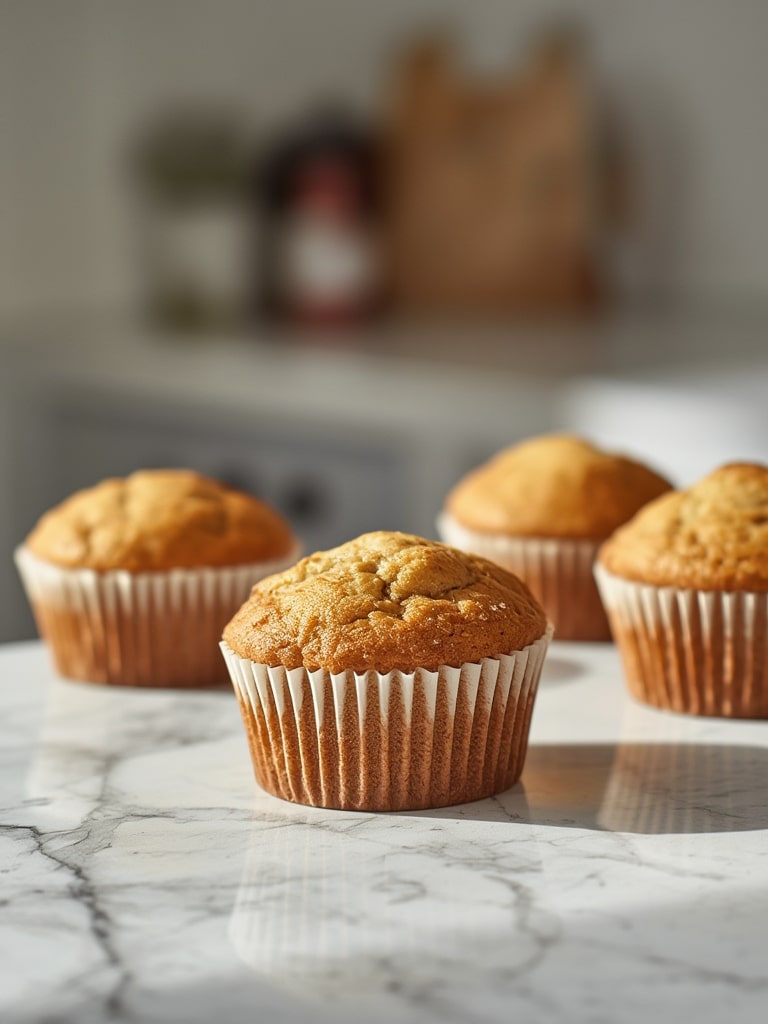
gluten free muffins always take me back to chilly Asheville mornings, when my mom warmed the kitchen before the sun reached the Blue Ridge ridges. I’m Lucy, the home cook behind urdailyrecipes, and I built this recipe for anyone who wants a simple, reliable muffin without complicated tools, long prep, or fussy steps.
At 38, I still cook with the same mountain-town mindset I grew up with: feed people well, keep things cozy, and add a little creativity when it makes sense. So, if you’re new to gluten-free baking, don’t worry. These gluten free muffins use basic pantry ingredients, one bowl, and a simple method that helps them rise beautifully.
In this guide, I’ll walk you through ingredients, mixing, baking, storage, flavor twists, troubleshooting, and my personal testing notes from my urdailyrecipes kitchen. Simplicity first, creativity always.
Table of Contents
Key Takeaways: What You need To know
– Prep time: 10 minutes
– Bake time: 18 to 22 minutes
– Best flour: 1:1 gluten-free flour blend with xanthan gum
– Texture: Soft, moist, tender, and bakery-style
– Tools needed: Mixing bowl, whisk, muffin pan, paper liners
– Best add-ins: Blueberries, chocolate chips, chopped nuts, lemon zest
– Storage: Room temperature for 2 days or freezer for 2 months
Why Do Gluten Free Muffins Need a Different Baking Approach?
Gluten free muffins need moisture, structure, and gentle mixing because gluten-free flour behaves differently than wheat flour. Therefore, this recipe uses eggs, oil, yogurt, and a balanced flour blend to create tender crumbs, rounded tops, and a soft bakery-style bite.
What makes gluten free muffins soft instead of dry?
Gluten free muffins turn soft when you balance fat, liquid, and starch. I use oil, Greek yogurt, eggs, and milk because they keep the crumb moist without making the batter heavy.
When I first tested this recipe in my Asheville kitchen, I made one batch with butter and one with oil. The butter batch tasted lovely, yet the oil batch stayed softer the next morning. So, I chose oil for everyday ease.
Also, gluten-free flour absorbs liquid slowly. Because of that, I let the batter rest for 10 minutes before baking. This small step helps the rice flour, tapioca starch, and potato starch hydrate evenly.
Why does this recipe work for beginner bakers?
Gluten free muffins work well for beginners when the recipe uses clear ratios and simple steps. You don’t need a stand mixer, specialty pan, or advanced baking skills.
Instead, you’ll whisk the dry ingredients, whisk the wet ingredients, combine them, and bake. That’s it.
This recipe also supports flexibility. For example, you can add fresh blueberries, mini chocolate chips, cinnamon, or lemon zest without changing the base too much. As a result, you can make a breakfast muffin, snack muffin, or lunchbox treat from the same reliable batter.
What Ingredients Do You Need for Gluten-Free Muffins?
Gluten free muffins need a balanced blend of flour, leavening, moisture, and flavor. For best results, use a 1:1 gluten-free baking flour, eggs, oil, yogurt, milk, sugar, baking powder, vanilla, and salt. These ingredients create structure, lift, and tenderness.
Which gluten-free flour works best for muffins?
Gluten free muffins turn out best with a 1:1 gluten-free flour blend that already includes xanthan gum. I like this option because it simplifies baking and helps mimic the structure of all-purpose flour.
Avoid single flours like almond flour or coconut flour in this exact recipe. They absorb liquid differently, and they can make the muffins dense, crumbly, or greasy.
| Ingredient | Purpose |
|---|---|
| 1 3/4 cups 1:1 gluten-free flour | Builds the muffin structure |
| 2 teaspoons baking powder | Creates lift and rounded tops |
| 1/2 cup sugar | Adds sweetness and moisture |
| 2 large eggs | Adds structure and richness |
| 1/2 cup plain Greek yogurt | Keeps the crumb tender |
What exact ingredients should I gather first?
Gluten free muffins come together faster when you measure everything before mixing. This habit saves time and helps new cooks feel confident.
Gather these ingredients:
– 1 3/4 cups 1:1 gluten-free flour blend
– 2 teaspoons baking powder
– 1/2 teaspoon baking soda
– 1/2 teaspoon fine salt
– 1/2 cup granulated sugar
– 2 large eggs, room temperature
– 1/2 cup plain Greek yogurt
– 1/3 cup neutral oil, such as avocado or canola oil
– 1/3 cup milk or dairy-free milk
– 2 teaspoons vanilla extract
– 1 cup blueberries, chocolate chips, or chopped nuts
For tools, grab a 12-cup muffin pan, paper liners, large mixing bowl, whisk, rubber spatula, and cookie scoop if you have one.
How Do You Make Gluten Free Muffins Step by Step?
Gluten Free Muffins
Equipment
- 12-cup muffin pan
- paper muffin liners
- Large mixing bowl
- Whisk
- Rubber spatula
- Wire cooling rack
Ingredients
- 1 3/4 cups 1:1 gluten-free flour blend
- 2 tsp baking powder
- 1/2 tsp baking soda
- 1/2 tsp fine salt
- 1/2 cup granulated sugar
- 2 large eggs
- 1/2 cup plain Greek yogurt
- 1/3 cup neutral oil
- 1/3 cup milk or dairy-free milk
- 2 tsp vanilla extract
- 1 cup blueberries, chocolate chips, or chopped nuts
Instructions
- Preheat the oven to 375°F and line a 12-cup muffin pan with paper liners.
- In a large bowl, whisk together the gluten-free flour, baking powder, baking soda, salt, and sugar.
- In another bowl, whisk the eggs, Greek yogurt, oil, milk, and vanilla extract until smooth.
- Pour the wet ingredients into the dry ingredients and stir gently with a spatula until no dry streaks remain.
- Fold in the blueberries, chocolate chips, or chopped nuts carefully without overmixing.
- Let the batter rest for 10 minutes to hydrate the gluten-free flour blend.
- Fill each muffin cup about 3/4 full with batter.
- Bake for 18 to 22 minutes or until the muffin tops are lightly golden and a toothpick inserted into the center comes out clean.
- Allow the muffins to cool in the pan for 5 minutes before transferring them to a wire rack to cool completely.
Notes
Nutrition
Gluten free muffins bake best when you mix dry and wet ingredients separately, combine gently, rest the batter, and bake at a steady temperature. This method prevents dense muffins and creates a soft crumb with evenly distributed add-ins.
How should you mix gluten free muffin batter?
Gluten free muffins need gentle mixing, even though they don’t contain wheat gluten. Overmixing can still knock out air and make the batter gummy.
First, heat your oven to 375°F. Then line a muffin pan with paper liners. Next, whisk the gluten-free flour, baking powder, baking soda, salt, and sugar in a large bowl.
In another bowl, whisk the eggs, Greek yogurt, oil, milk, and vanilla extract until smooth. After that, pour the wet mixture into the dry mixture. Stir with a spatula until no dry streaks remain.
Finally, fold in blueberries or another add-in. Keep your hand light here. A few small lumps won’t hurt anything.
How long should you bake gluten free muffins?
Gluten free muffins usually bake in 18 to 22 minutes at 375°F. However, every oven acts a little differently, so start checking at 18 minutes.
Before baking, let the batter rest for 10 minutes. This helps the flour hydrate and improves the texture.
Then fill each muffin cup about 3/4 full. Bake until the tops look lightly golden and a toothpick comes out clean or with a few moist crumbs.
| Step | What To Do |
|---|---|
| 1 | Preheat oven to 375°F and line the muffin pan |
| 2 | Whisk dry ingredients in one bowl |
| 3 | Whisk wet ingredients in another bowl |
| 4 | Combine gently and fold in add-ins |
| 5 | Rest batter 10 minutes, then bake 18 to 22 minutes |
How Can You Customize Gluten Free Muffins?
Gluten free muffins welcome easy flavor changes because the base batter stays balanced. You can add fruit, spices, chocolate, citrus, nuts, or seeds. Therefore, one simple recipe can become blueberry, banana, lemon, cinnamon, or chocolate chip muffins.
What are the best gluten free muffin flavors?
Gluten free muffins taste wonderful with classic mix-ins that add moisture and texture. My family loves blueberry lemon muffins on Sunday mornings, especially with coffee and scrambled eggs.
Try these simple variations:
– Blueberry Lemon: Add 1 cup blueberries and 1 tablespoon lemon zest
– Chocolate Chip: Add 3/4 cup mini chocolate chips
– Cinnamon Pecan: Add 1 teaspoon cinnamon and 1/2 cup chopped pecans
– Banana Walnut: Replace half the yogurt with 1/2 cup mashed ripe banana
– Apple Spice: Add 3/4 cup diced apple and 1 teaspoon apple pie spice
Additionally, sprinkle coarse sugar on top before baking if you want a bakery-style finish.
Can you make these muffins dairy-free?
Gluten free muffins can work dairy-free with two simple swaps. Use unsweetened almond milk, oat milk labeled gluten-free, or coconut milk instead of dairy milk. Then use a dairy-free yogurt in place of Greek yogurt.
However, choose a thick yogurt. Thin yogurt can loosen the batter too much. If the batter looks runny, add 1 tablespoon gluten-free flour and stir gently.
You can also make the recipe nut-free by using canola oil, dairy milk or rice milk, and fruit instead of nuts. Because allergies matter, always check labels for certified gluten-free ingredients and cross-contact warnings.
How Do You Store, Freeze, and Reheat Gluten Free Muffins?
Gluten free muffins stay fresh when you cool them fully, store them airtight, and avoid trapping steam. Keep them at room temperature for 2 days, refrigerate them for 5 days, or freeze them for up to 2 months.
How should you store gluten free muffins after baking?
Gluten free muffins need full cooling before storage. If you seal warm muffins, steam builds up and makes the tops sticky.
After baking, let the muffins sit in the pan for 5 minutes. Then move them to a wire rack. Once they cool completely, place them in an airtight container lined with a paper towel.
Store them at room temperature for 2 days. For longer storage, refrigerate them for up to 5 days. Because gluten-free baked goods can firm up when cold, warm them briefly before serving.
Can you freeze gluten free muffins for meal prep?
Gluten free muffins freeze very well, which makes them perfect for busy mornings. I freeze a batch almost every month for quick breakfasts before errands, recipe testing, or family visits.
To freeze them:
– Cool muffins completely
– Wrap each muffin in plastic wrap
– Place wrapped muffins in a freezer bag
– Label with the date
– Freeze for up to 2 months
To reheat, microwave one muffin for 20 to 30 seconds. Alternatively, warm it in a 300°F oven for 8 to 10 minutes. Then add butter, honey, or jam if you like a cozy finish.
What Did I Learn Testing These Gluten Free Muffins?
Gluten free muffins improved most when I rested the batter, used oil instead of melted butter, and measured flour carefully. Through testing, I found that small technique changes made the muffins softer, taller, and more reliable for home cooks.
What real-life cooking experience shaped this recipe?
Gluten free muffins became a regular recipe in my kitchen after a neighbor asked for a beginner-friendly bake sale option. She had just started gluten-free baking and felt nervous about dry, crumbly results.
So, I made three test batches on a rainy Asheville afternoon. The first batch used melted butter. The second used oil. The third used extra yogurt and a 10-minute batter rest. The third batch won easily.
My neighbor texted me later and said, “These tasted like regular muffins, and my kids didn’t ask what was different.” That message made me smile because that’s exactly what I want urdailyrecipes to do. I want you to feel capable, not overwhelmed.
What tips help guarantee better gluten free muffins?
Gluten free muffins turn out better when you follow a few simple habits. These tips come from my own testing, reader feedback, and years of home cooking.
– Spoon and level the flour instead of scooping straight from the bag.
– Use room-temperature eggs for smoother batter.
– Rest the batter for 10 minutes before baking.
– Fill muffin cups 3/4 full for rounded tops.
– Avoid overbaking because gluten-free muffins dry out quickly.
– Choose certified gluten-free add-ins like oats, chocolate chips, and spices when needed.
– Use a light-colored muffin pan for even browning.
Because I cook for real families, I test recipes with everyday tools and grocery-store ingredients. This recipe reflects that promise. It’s practical, cozy, and flexible enough for your own kitchen rhythm.
Frequently Asked Questions About Gluten Free Muffins
Gluten free muffins often raise questions about flour blends, texture, egg swaps, and doneness. Clear answers help you avoid dry crumbs, sunken centers, and gummy batter. With the right method, you can bake soft muffins confidently.
Why did my gluten free muffins turn out gummy?
Gluten free muffins can turn gummy when the batter has too much liquid, too little bake time, or no resting period. First, check your flour blend. Then bake until the centers spring back lightly.
Also, let the muffins cool before eating. Hot gluten-free muffins can seem gummy right out of the oven, even when fully baked.
Can I make gluten free muffins without eggs?
Gluten free muffins can work with egg substitutes, though the texture changes. For each egg, mix 1 tablespoon ground flaxseed with 3 tablespoons warm water. Let it sit for 5 minutes, then use it in the batter.
The muffins may taste slightly nuttier and rise a bit less. Still, they’ll work nicely for a simple dairy-free or egg-free variation.
Final Thoughts: Why These Gluten Free Muffins Belong in Your Kitchen
Gluten free muffins don’t need to feel complicated, bland, or risky. With the right flour blend, enough moisture, and a short batter rest, you can bake soft, flavorful muffins that fit breakfast, snacks, lunchboxes, and cozy weekends.
From my Asheville kitchen to yours, I hope this recipe gives you confidence. Start simple. Add your favorite twist. Then enjoy every warm, tender bite. That’s the heart of urdailyrecipes: easy food, real guidance, and a little creativity every day.